 WhatsApp
 Emergency
Can Anxiety Cause Heart Attack? Link Between Anxiety and Heart Health
 Share
Share
Can Anxiety Cause a Heart Attack? Understanding the Link Between Anxiety and Heart Health
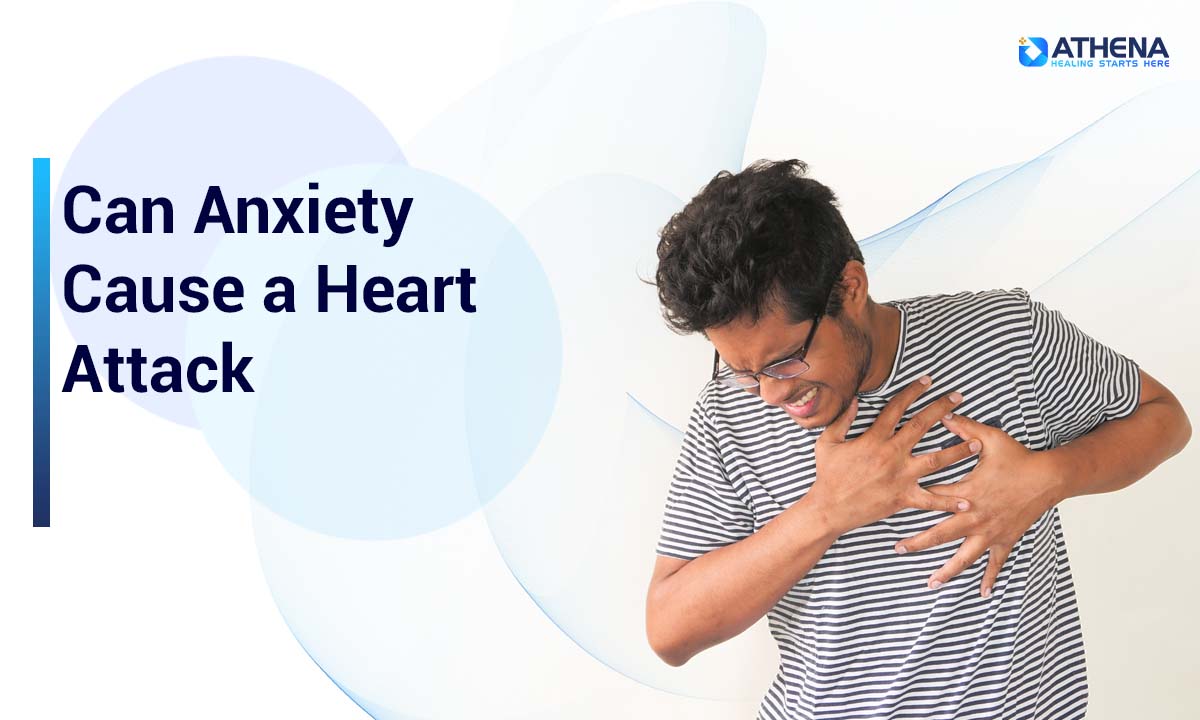
Can anxiety cause a heart attack? Anxiety itself does not usually cause a heart attack, but long-term anxiety can increase cardiovascular risk by raising blood pressure, heart rate, and stress hormone levels. Can anxiety cause chest pain? Yes, anxiety can trigger chest discomfort that often mimics heart attack symptoms. Should you seek medical help for persistent chest pain? Absolutely, especially if symptoms are severe, sudden, or unfamiliar.
Can anxiety cause a heart attack? While anxiety does not directly cause most heart attacks, chronic anxiety can contribute to factors that increase heart disease risk over time. At Athena Behavioral Health, we often help individuals understand how mental health and physical health are closely connected, especially when anxiety begins affecting daily life and overall well-being.
What Is Anxiety?
Anxiety is a natural response to stress, uncertainty, or perceived danger. Everyone experiences anxiety occasionally, but when symptoms become persistent, overwhelming, or interfere with daily activities, they may indicate an anxiety disorder.
Common anxiety disorders include:
- Generalized Anxiety Disorder (GAD)
- Panic Disorder
- Social Anxiety Disorder
- Health Anxiety
- Specific Phobias
Anxiety affects both the mind and body. Many people experience physical symptoms that can feel alarming, particularly when they involve the chest or heart.
Common physical symptoms of anxiety include:
- Rapid heartbeat
- Chest tightness
- Shortness of breath
- Excessive sweating
- Dizziness
- Trembling
- Nausea
- Restlessness
Because these symptoms can resemble cardiac symptoms, many people wonder: can anxiety cause a heart attack?
Can Anxiety Cause a Heart Attack?
The short answer is that anxiety itself does not typically cause a heart attack in a healthy person. However, chronic anxiety may contribute to conditions and behaviors that increase the likelihood of cardiovascular problems over time.
Research has shown that prolonged anxiety can affect the cardiovascular system by increasing stress hormone production, elevating blood pressure, and placing additional strain on the heart.
This is why the question, can anxiety cause a heart attack, is more complex than a simple yes or no answer. While anxiety may not directly trigger a heart attack in most cases, it can create circumstances that increase cardiovascular risk if left unmanaged.
How Anxiety Affects the Heart and Cardiovascular System
Understanding how anxiety impacts the body helps explain why healthcare professionals take anxiety disorders seriously.
Increased Heart Rate and Blood Pressure
When anxiety occurs, the body activates its "fight-or-flight" response. Stress hormones such as adrenaline and cortisol are released, causing:
- Faster heart rate
- Increased blood pressure
- Heightened alertness
- Increased oxygen demand
Occasional activation is normal. However, repeated activation over months or years can place additional stress on the cardiovascular system.
Chronic Inflammation
Long-term anxiety has been linked to increased inflammation throughout the body. Chronic inflammation is considered one of several factors that may contribute to cardiovascular disease.
Reduced Heart Rate Variability
Heart rate variability refers to the variation between heartbeats. Healthy variability often indicates good nervous system regulation. Persistent anxiety can reduce this variability, making it harder for the body to adapt to stress effectively.
Unhealthy Lifestyle Habits
People living with chronic anxiety may be more likely to experience:
- Poor sleep quality
- Reduced physical activity
- Emotional eating
- Smoking
- Excessive alcohol consumption
These habits can further increase cardiovascular risk.
For this reason, when people ask, can anxiety cause a heart attack, healthcare providers also consider the long-term lifestyle effects associated with untreated anxiety.
Anxiety Attack vs Heart Attack: How to Tell the Difference
One of the biggest challenges is that anxiety attacks and heart attacks can share similar symptoms.
Symptoms of an Anxiety Attack
An anxiety attack or panic attack may include:
- Rapid heartbeat
- Chest tightness
- Difficulty breathing
- Sweating
- Trembling
- Tingling sensations
- Fear of losing control
- Intense feelings of panic
Symptoms of a Heart Attack
A heart attack may involve:
- Persistent chest pressure or pain
- Pain spreading to the arm, shoulder, jaw, neck, or back
- Cold sweats
- Nausea
- Shortness of breath
- Extreme fatigue
- Dizziness
Key Differences
| Anxiety Attack | Heart Attack |
| Often triggered by stress or fear | Usually related to reduced blood flow to the heart |
| Symptoms may improve with relaxation | Symptoms typically persist or worsen |
| Common in individuals with anxiety disorders | More common in individuals with cardiovascular risk factors |
| Intense fear is often present | Physical discomfort is usually the dominant symptom |
Because symptoms can overlap, never assume chest pain is "just anxiety." If symptoms are sudden, severe, or unusual, seek immediate medical evaluation.
Can a Panic Attack Trigger a Heart Attack?
Many people ask, can anxiety cause a heart attack during a panic attack?
For most healthy individuals, panic attacks do not directly cause heart attacks. However, individuals who already have significant heart disease or cardiovascular risk factors may experience increased strain on the heart during periods of intense stress.
This is why medical assessment is important, particularly for people who experience recurrent chest pain, dizziness, or cardiovascular symptoms.
Who Is Most at Risk?
Certain individuals may be more vulnerable to the effects of chronic anxiety on heart health.
Higher-risk groups include:
- Individuals with long-term anxiety disorders
- People with existing heart disease
- Adults with high blood pressure
- Individuals with diabetes
- Smokers
- People experiencing chronic stress
- Those with obesity or metabolic disorders
For these individuals, understanding whether can anxiety cause a heart attack becomes especially relevant because anxiety may compound existing health concerns.
How to Reduce Anxiety and Protect Your Heart
Managing anxiety benefits both mental and physical health.
Seek Professional Mental Health Support
Professional treatment can help identify underlying causes of anxiety and provide effective coping strategies.
Consider Evidence-Based Therapy
Cognitive Behavioral Therapy (CBT) is one of the most effective treatments for anxiety disorders. It helps individuals recognize and change unhelpful thought patterns.
Practice Stress Management Techniques
Helpful techniques include:
- Deep breathing exercises
- Mindfulness meditation
- Progressive muscle relaxation
- Yoga
- Guided relaxation practices
Prioritize Healthy Lifestyle Habits
Support both heart and mental health through:
- Regular exercise
- Balanced nutrition
- Quality sleep
- Limiting caffeine intake
- Avoiding tobacco products
- Maintaining social connections
These habits can significantly reduce anxiety symptoms and improve overall cardiovascular health.
When Should You Seek Professional Help?
You should consider professional support if:
- Anxiety interferes with daily activities
- Panic attacks occur frequently
- Sleep is consistently disrupted
- Physical symptoms cause distress
- Relationships or work performance are affected
- Anxiety feels difficult to manage on your own
Many people continue asking can anxiety cause a heart attack because they experience recurring physical symptoms without understanding the underlying anxiety disorder. Early intervention can improve both emotional well-being and overall health outcomes.
How Athena Behavioral Health Helps Individuals Manage Anxiety
At Athena Behavioral Health, we understand that anxiety affects every aspect of life. Our multidisciplinary team provides evidence-based care designed to address both the emotional and physical impact of anxiety disorders.
Our services include:
- Comprehensive psychiatric evaluations
- Individual therapy
- Cognitive Behavioral Therapy (CBT)
- Medication management when appropriate
- Family support and counseling
- Personalized treatment planning
Our goal is to help individuals develop healthier coping mechanisms, improve emotional resilience, and achieve long-term wellness.
Conclusion
So, can anxiety cause a heart attack? Anxiety alone does not usually cause a heart attack, but chronic anxiety can contribute to cardiovascular risk factors that affect heart health over time. Understanding the connection between mental and physical health is essential for recognizing symptoms early and seeking appropriate care.
If you frequently worry about whether can anxiety cause a heart attack, experience panic attacks, or struggle with persistent anxiety symptoms, professional support can help you regain control and improve your quality of life.
Take the First Step Toward Better Mental Health
Persistent anxiety can affect far more than your emotional well-being. It can influence your physical health, relationships, sleep quality, and everyday functioning. If anxiety symptoms are becoming difficult to manage, professional support can make a meaningful difference.
Athena Behavioral Health offers compassionate, evidence-based treatment for anxiety disorders through experienced psychiatrists, psychologists, therapists, and mental health specialists. Our personalized approach helps individuals understand their symptoms, develop effective coping strategies, and build a healthier future with confidence.